
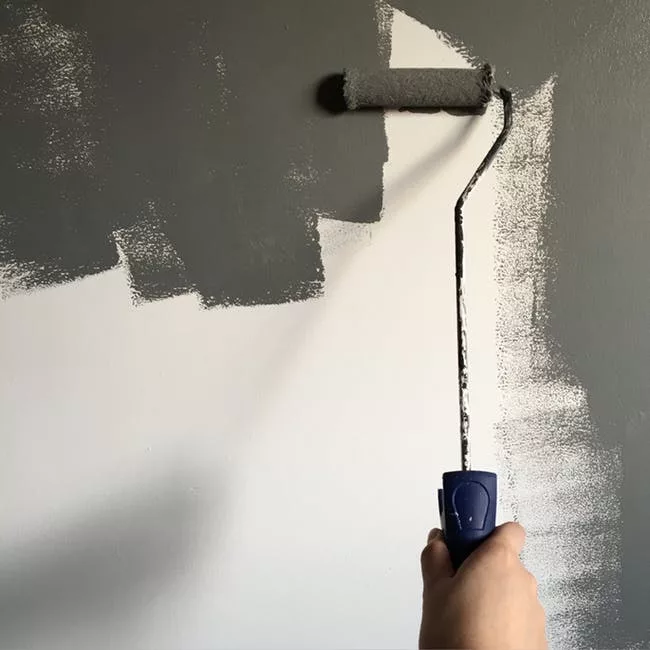
Have you ever wondered what the world would look like if the sky was the same color as the earth? Well, in the world of interior design, this concept isn’t as far-fetched as it sounds.
Painting the ceiling the same color as the walls is a design trend that’s been making waves, and it’s easy to see why. But like any design choice, it’s not a simple decision. We need to weigh up the pros and cons of painting a ceiling the same color as the walls.
Let’s dive in.
Considering the Room’s Purpose and Lighting
Before diving into the pros and cons, it’s important to consider the purpose of the room and its lighting. The function of the room can greatly influence how it should be painted.
For instance, in a cozy den or study, a darker ceiling can add to the room’s intimate feel. On the other hand, in a kitchen or bathroom, you might prefer a lighter ceiling to create a sense of cleanliness and brightness.
Lighting also plays a crucial role. Rooms with plenty of natural light can handle darker colors on the ceiling, while rooms with less natural light might benefit from a lighter ceiling to help brighten the space. The direction the room faces can also impact how the paint color looks at different times of the day.
Rooms that get a lot of sunlight might look great with the ceiling and walls the same color, but the effect could be quite different in a room that gets little sunlight.
Now that we’ve considered these factors, let’s delve into the pros and cons of painting the ceiling the same color as the walls.
Pro: Seamless Transition
Painting the ceiling the same color as the walls creates a seamless transition that can make a room feel more spacious. It eliminates the stark contrast between the walls and the ceiling, allowing your eyes to flow smoothly from one surface to another.
This can be particularly beneficial in smaller rooms or spaces with low ceilings, as it can help to create the illusion of more space.
Con: Lack of Contrast
On the flip side, painting the ceiling the same color as the walls means you lose the contrast that can add depth and interest to a room. If you’re a fan of bold, dramatic interiors, this might not be the best choice for you.
The lack of contrast can also make a room feel monotonous and dull, especially if you’re using a neutral or muted color.
Pro: Versatility
One of the great things about painting the ceiling the same color as the walls is that it works with just about any color. Whether you’re a fan of bold, vibrant hues or prefer softer, more muted tones, this design choice can work beautifully.
It’s also a great way to experiment with color in a more subtle and understated way.
Con: Can Feel Overwhelming
While painting the ceiling the same color as the walls can create a beautiful, cohesive look, it can also feel a bit overwhelming, especially if you’re using a darker or more intense color.
It can make a room feel closed in and can be a bit much for some people. If you’re considering this design choice, it’s a good idea to start with a smaller space to see how you feel about it before committing to a larger room.
Pro: Highlights Architectural Features
If you’re lucky enough to have a room with interesting architectural features like exposed beams or intricate molding, painting the ceiling the same color as the walls can help to highlight these features.
It draws the eye upwards and makes these features the focal point of the room.
Con: Requires More Paint
One practical consideration to keep in mind is that painting the ceiling the same color as the walls will require more paint. This can increase the cost of your decorating project, especially if you’re using a more expensive paint.
It can also make the painting process more time-consuming and labor-intensive.
Pro: Enhances Room Lighting
Painting the ceiling the same color as the walls can also enhance the lighting in a room. Light bounces off the walls and ceiling, creating a more uniform illumination.
This can be particularly beneficial in rooms with limited natural light or in spaces where you want to create a cozy, intimate atmosphere.
Con: Difficult to Change
One downside to consider is that painting the ceiling the same color as the walls can make it more difficult to change the color scheme in the future.
Ceilings can be challenging to paint, especially if they’re high or have textured surfaces. So, if you like to change up your decor frequently, this might not be the best option for you.
Pro: Makes a Statement
If you’re looking to make a bold design statement, painting the ceiling the same color as the walls can be a great way to do it. It’s a design choice that’s sure to catch the eye and spark conversation.
It can also be a great way to highlight a beautiful paint color or create a dramatic effect in a room.
Con: Not Suitable for All Rooms
While painting the ceiling the same color as the walls can work beautifully in some rooms, it’s not suitable for all spaces. For example, in rooms with low ceilings, painting the ceiling a dark color can make the room feel even lower.
Similarly, in small, cramped spaces, painting the ceiling the same color as the walls can make the room feel smaller and more closed in.
The Pros and Cons of Painting a Ceiling the Same Color as the Walls
So, should you paint the ceiling the same color as the walls? The answer to that question will depend on your personal taste, the specific characteristics of the room, and the overall look you’re trying to achieve.
If you’re unsure, it might be worth consulting us at Widespread Solutions. We can provide valuable insight and help you make the best decision for your space.
Remember, the key to any successful interior design project is to create a space that feels uniquely yours. So even after you’ve weighed up the pros and cons of painting a ceiling the same color as the walls, the most important thing is that you love the end result. After all, it’s your space. Make it something you love.
Get a quote today to get started.